Astana, Founder & Editor
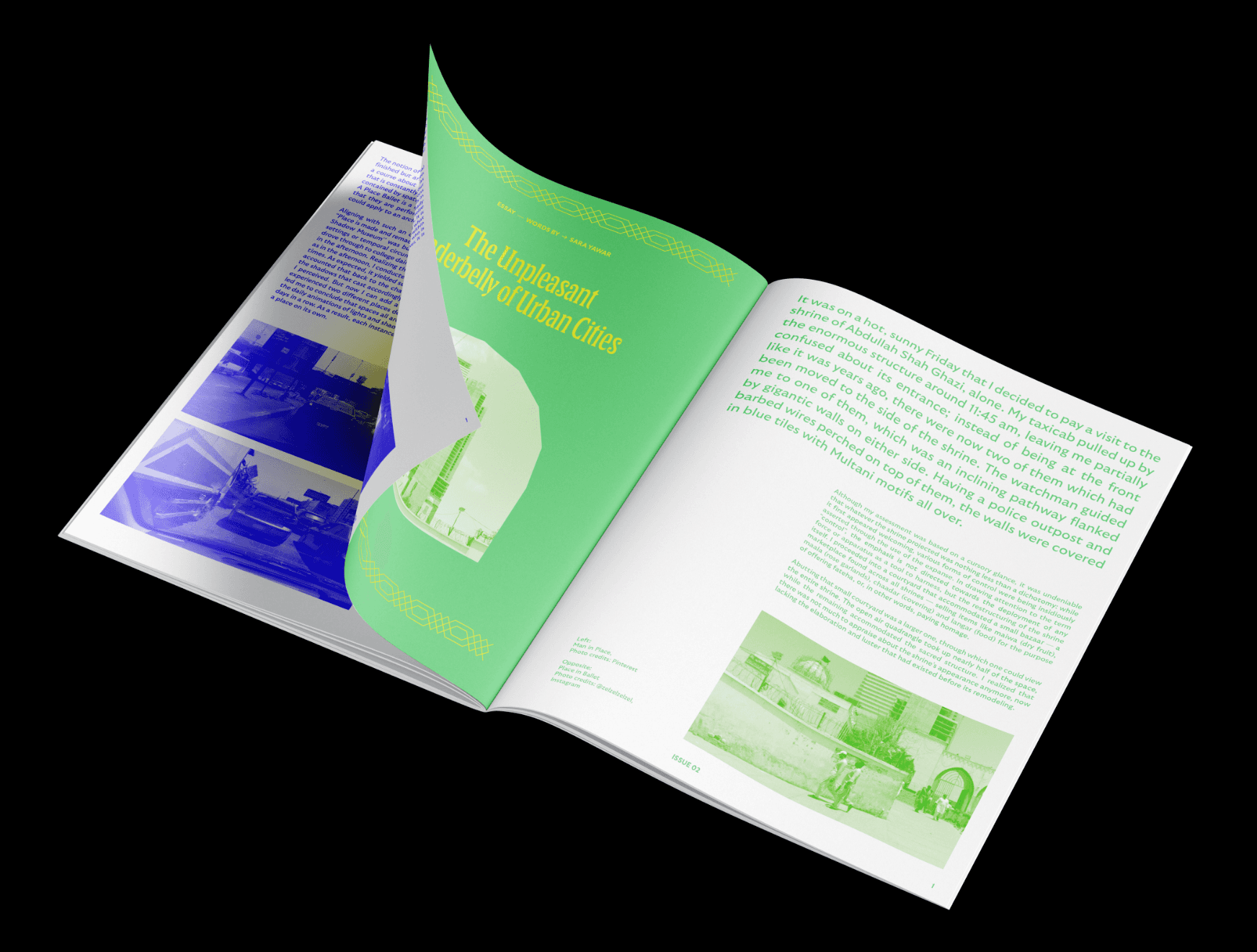
A multimedia design magazine exploring architecture, urbanism, and creative practices across the Global South.
Astana is an independent design magazine that I founded, built, and ran from concept to publication. I led the editorial vision, platform design, production workflows, and distribution strategy, publishing three full issues that experiment with how architectural and urban narratives can be told online.
Astana blends essays, interactive stories, comics, videos, and speculative formats, treating design journalism not as static content but as an experiential system. Across all issues, the project prioritizes critical inquiry, accessibility, and play, using interactivity and narrative structure to invite readers to actively navigate ideas rather than passively consume them.
Issue Development and Evolution
Issue 1: Editorial Foundation
Established Astana’s core identity: a platform for design discourse rooted in the Global South, combining critical writing with visual storytelling and experimental layouts. This issue defined the magazine’s tone, thematic focus, and commitment to interdisciplinary perspectives.

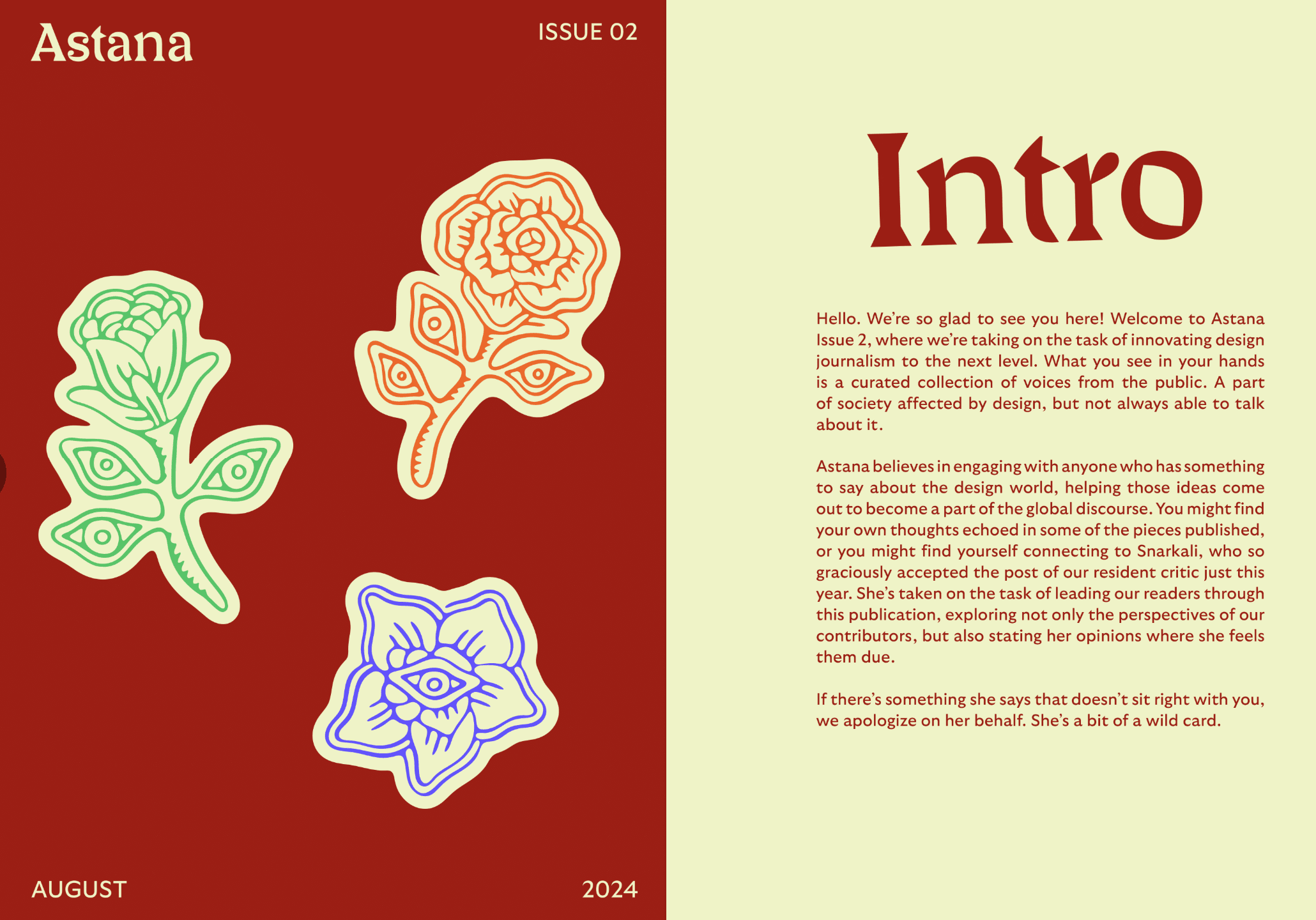
Issue 2: 3D Spatial Magazine
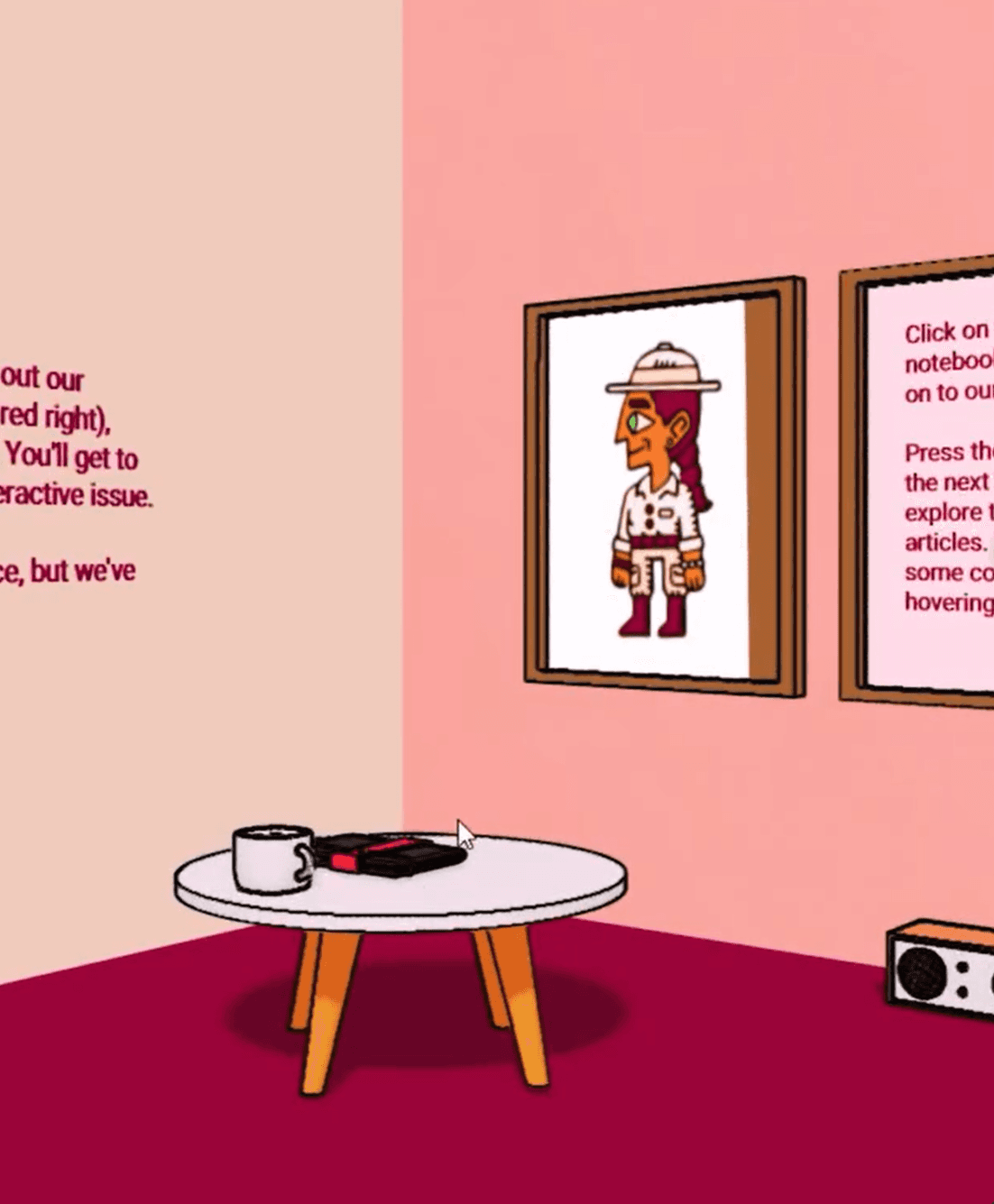
For the second issue, I initiated and directed a fully 3D version of the magazine, transforming articles into explorable spatial environments. Readers navigated content as architecture, encountering ideas through movement, scale, and interaction rather than linear scrolling.
This edition was exhibited at the Buildspace Accelerator Final Exhibition in San Francisco, demonstrating the potential of gamified journalism as a public-facing design medium. It also surfaced practical limits around accessibility and device constraints, which directly informed the next phase of development.
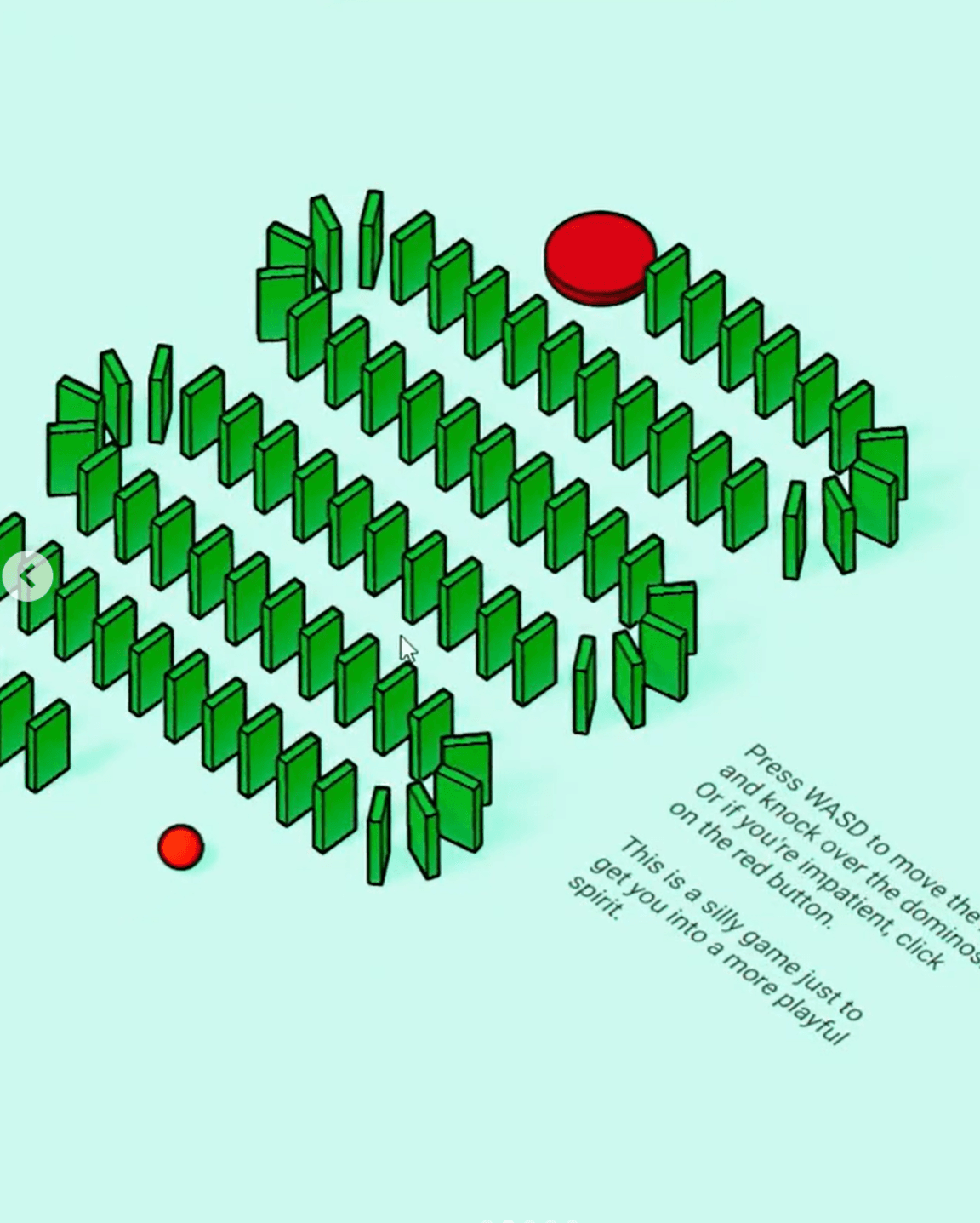
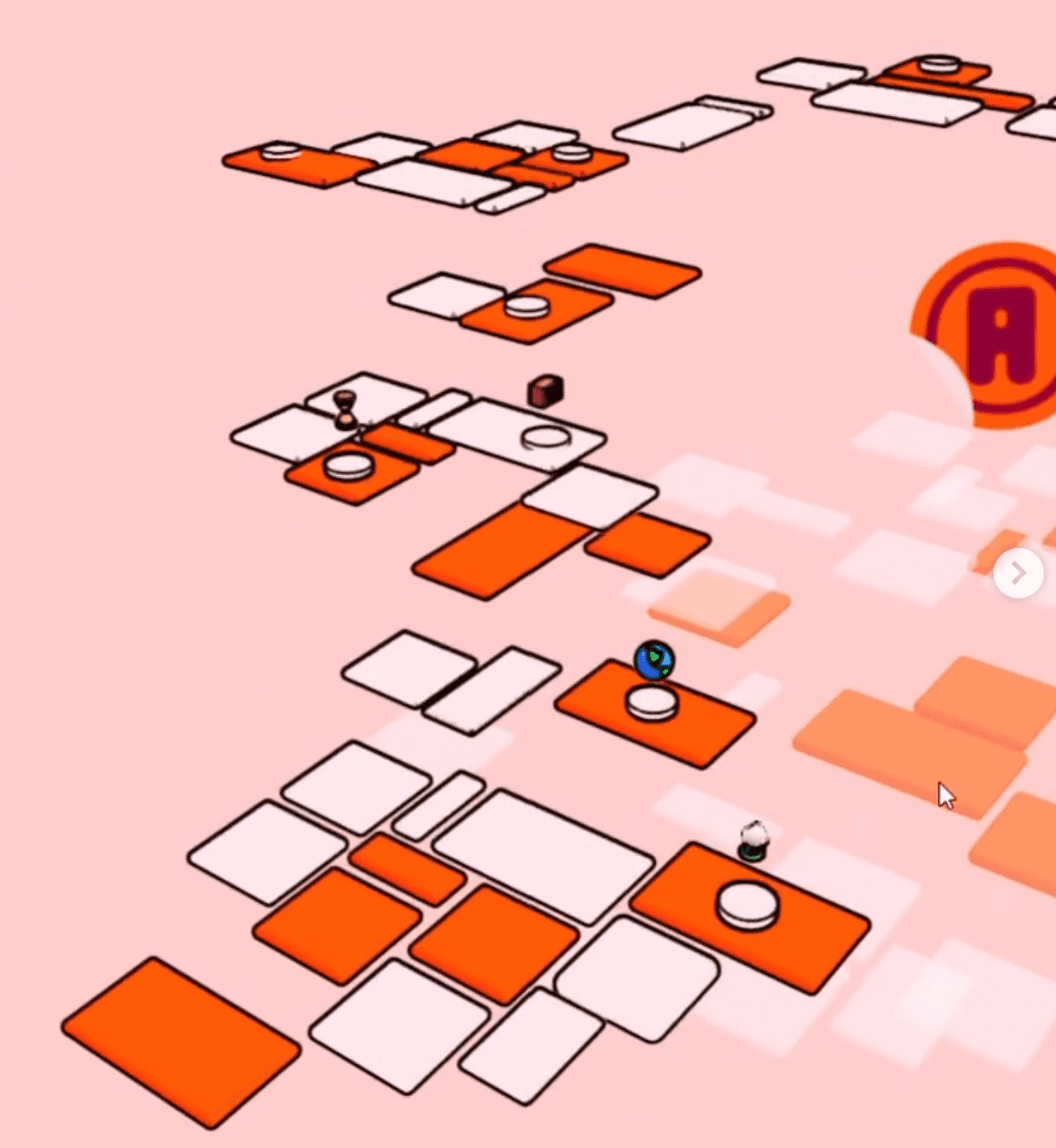
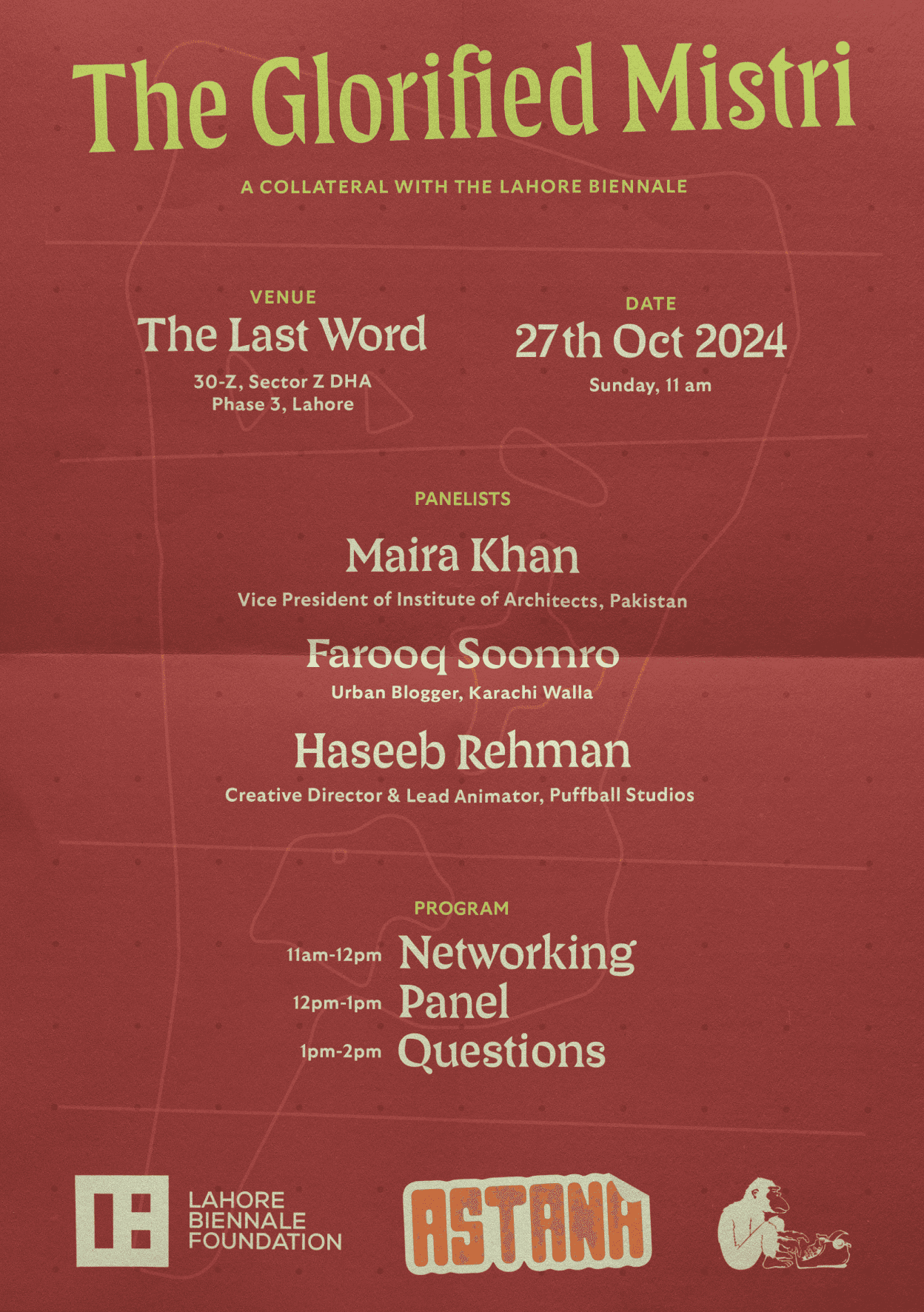
The second issue was also part of the Lahore Biennale, where Astana held a panel on storytelling and urban revitalization titled “The Glorified Mistri”. This continued in an IAP BAE collaborative workshop on Critical Architectural Journalism.
Issue 2 and its events were made with Shumyle Haider, Ravail Khan and Khadija Rehman. The first and third issues were produced solo.
Issue 3: Narrative-Driven Interactive Web Issue
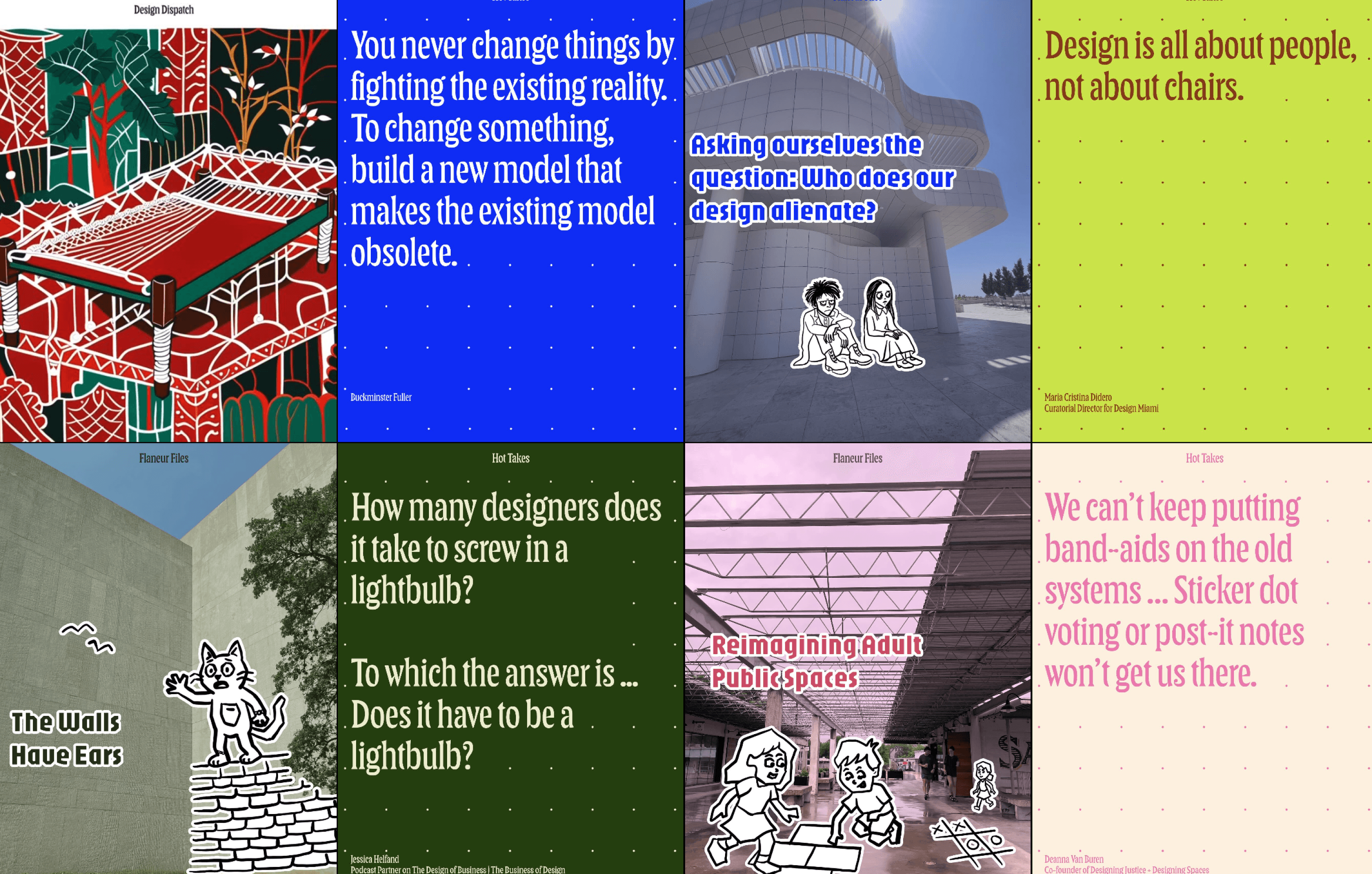
In response, Issue 3 shifted toward a more accessible but equally experimental format: an interactive website structured around a guiding storyline.
Key elements included:
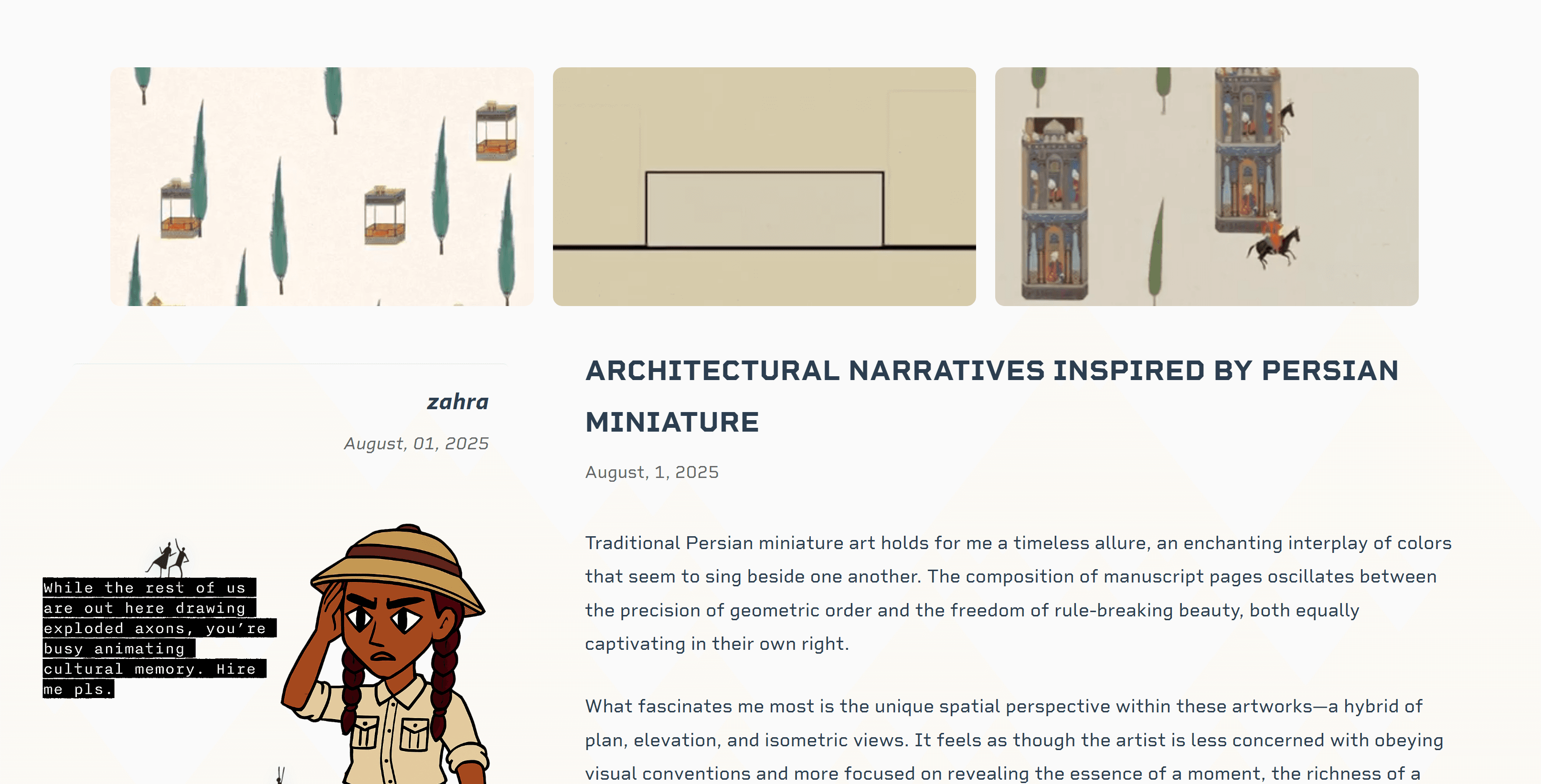
- Custom 2D characters and scenes
- A narrative path connecting essays and features
- A recurring mascot providing satirical commentary
- A newsletter extending the editorial voice beyond the site
This issue balanced playfulness with clarity, reinforcing Astana’s identity as a magazine that treats storytelling, humor, and interaction as serious design tools.
Role and Responsibilities
- Founded and directed the magazine independently
- Defined editorial vision and thematic direction
- Oversaw design systems, interaction concepts, and platform decisions
- Coordinated collaborators: writers, designers, developers
- Managed production timelines, publishing, and public presentation
Astana functions as both a publishing platform and a research practice, testing how architecture and urban discourse can be made more engaging, participatory, and culturally situated.