The Mathematical Wall Panel Generator
A design-to-fabrication tool for equation-driven surfaces.
The Mathematical Wall Panel Generator is a computational design tool that transforms mathematical equations into customizable, 3D-printable surfaces and wall panels.
Core Principle
Built using Grasshopper, Rhino Compute, and a web-based interface, the system enables users to generate complex geometries, adapt them to fabrication constraints, and export print-ready files through a guided, accessible workflow.
The project bridges abstract mathematics and digital fabrication, allowing designers, artists, and makers to move directly from formula to physical artifact without requiring deep technical expertise.
From Equation to Geometry
Form Generation
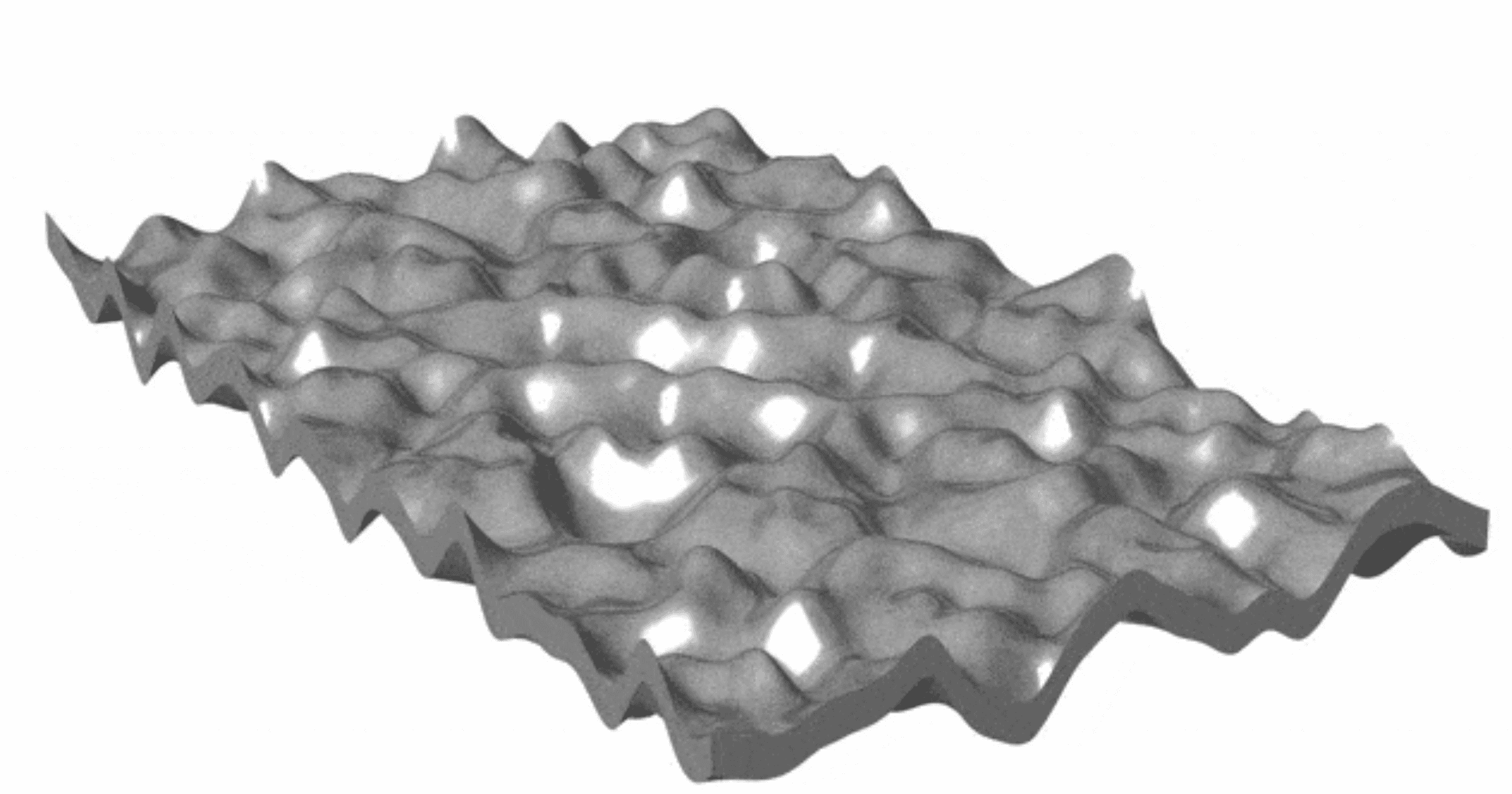
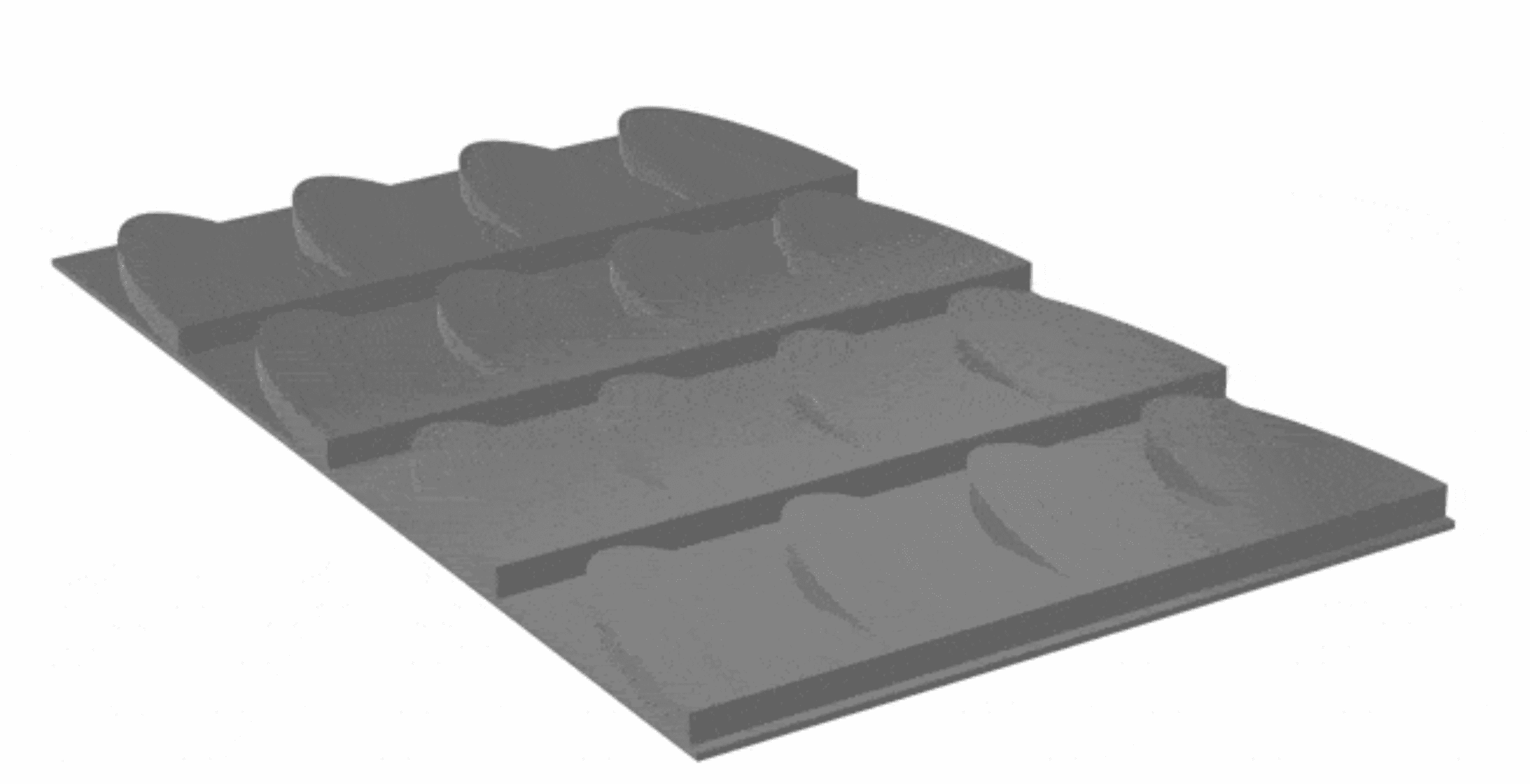
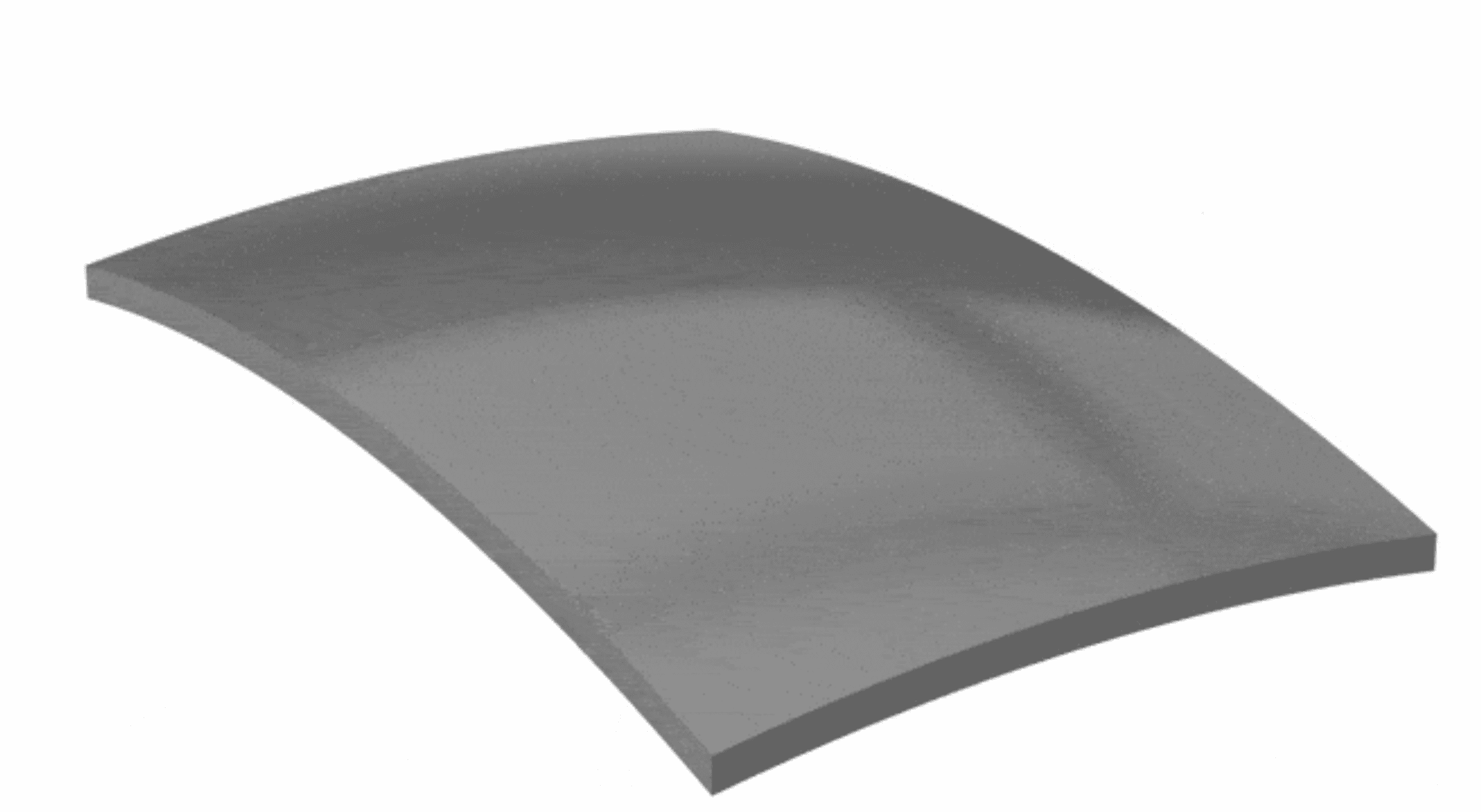
Users generate geometry directly from mathematical equations. These formulas can define standalone sculptural forms or be embedded into planar surfaces as repeatable patterns, producing a wide range of wall panel typologies.
Parametric controls allow users to adjust equation inputs in real time, shaping:
- Curvature
- Repetition
- Surface articulation
all while maintaining geometric continuity.
Fabrication-Aware Design
Scaling and print preparation
Once generated, geometries are automatically scaled to match specific 3D printer constraints. The system adapts forms based on build volume, bed size, and nozzle dimensions, ensuring that designs remain printable.
Users can further refine results through sliders controlling surface manipulation, resolution, and density, allowing for precise control before fabrication.
Print-ready output
Final models are sliced into layers for visualization and verification. The application provides:
- Sliced previews
- Object volume calculations
- Material estimates
helping users evaluate efficiency and feasibility before printing. Exported STL files are compatible with a wide range of consumer and professional 3D printers, supporting direct handoff to fabrication.
Reducing error through structure
The system incorporates structured metadata to reduce setup errors. Users select their printer model and firmware through dropdown menus, automatically loading corresponding presets and constraints. This makes the workflow accessible to non-expert users while maintaining reliable fabrication outcomes.
| Printer | Type | File types | Materials | Min. wall | Layer | Best use |
|---|---|---|---|---|---|---|
| Prusa i3 MK4 | FDM | STL, OBJ, 3MF, G-code | PLA, ABS, PETG, TPU, ASA | 0.8 mm | 0.05 to 0.4 mm | Prototypes, models, artistic prints |
| Creality Ender 3 S1 Pro | FDM | STL, OBJ, 3MF, G-code | PLA, ABS, PETG, TPU, Nylon | 0.8 mm | 0.05 to 0.4 mm | Affordable, reliable for hobbyists |
| Ultimaker S5 | FDM | STL, OBJ, 3MF, G-code | PLA, ABS, Nylon, CPE, PVA (water-soluble) | 0.8 mm | 0.05 to 0.3 mm | High-detail industrial design |
| Anycubic Photon Mono X 6K | MSLA | STL, OBJ, 3MF | Resin (standard, tough, castable, flexible) | 1.0 mm | 0.01 to 0.1 mm | Ultra-high detail for miniatures, art |
| Formlabs Form 3+ | SLA | STL, OBJ, 3MF | Resin (standard, engineering, castable) | 1.0 mm | 0.01 to 0.1 mm | High-detail product design |
| Creality CR-10 Max | FDM | STL, OBJ, 3MF, G-code | PLA, PETG, ABS, TPU | 1.0 mm | 0.1 to 0.4 mm | Large furniture parts, decor, lamps |
| Raise3D Pro3 Plus | FDM | STL, OBJ, 3MF, G-code | PLA, ABS, PETG, Nylon, carbon fiber | 1.2 mm | 0.05 to 0.4 mm | Functional furniture, industrial design |
| BigRep ONE | FDM | STL, OBJ, 3MF, G-code | PLA, PETG, TPU, wood-infused filament | 2.0 mm | 0.2 to 0.6 mm | Full-scale furniture, large decor |
| Vulcan II by ICON | Concrete 3D printer | STL, 3MF | Concrete | 10 mm | 2 mm | Real concrete furniture and walls |
Outcomes and Evaluation
The Mathematical Wall Panel Generator demonstrates how computational design can be packaged as a practical, user-facing product. By embedding fabrication constraints directly into the design process, the tool lowers the barrier between mathematical exploration and physical making, enabling repeatable, customizable, and fabrication-ready outputs.
The system treats mathematics as a design interface and fabrication as a first-class constraint, not an afterthought.
You can read the original article on the IAAC blog.